.svg)

9 Ways Insects Are Getting Into Your Home

Why Do Pests Keep Getting Into Your Home?
No matter how clean or well-maintained your home is, pests have a way of showing up—especially during peak seasons.
You might notice ants trailing toward a small spill in the summer, or even spot a mouse in the fall despite taking precautions. Whether your home is brand new or decades old, pest issues can still occur from time to time.
When they do, working with a pest control provider like Spidexx can help you identify the source of the problem and explore effective solutions.
How Pests Get Inside Your Home
Pests are skilled at finding small openings and hidden entry points. Over time, normal wear and tear on a home can create gaps that allow insects and rodents to enter.
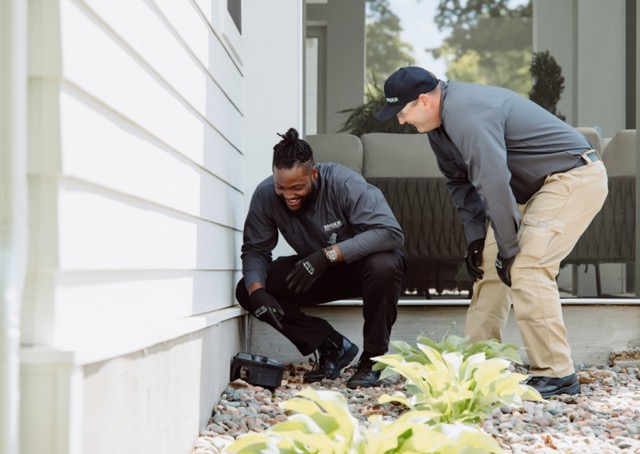
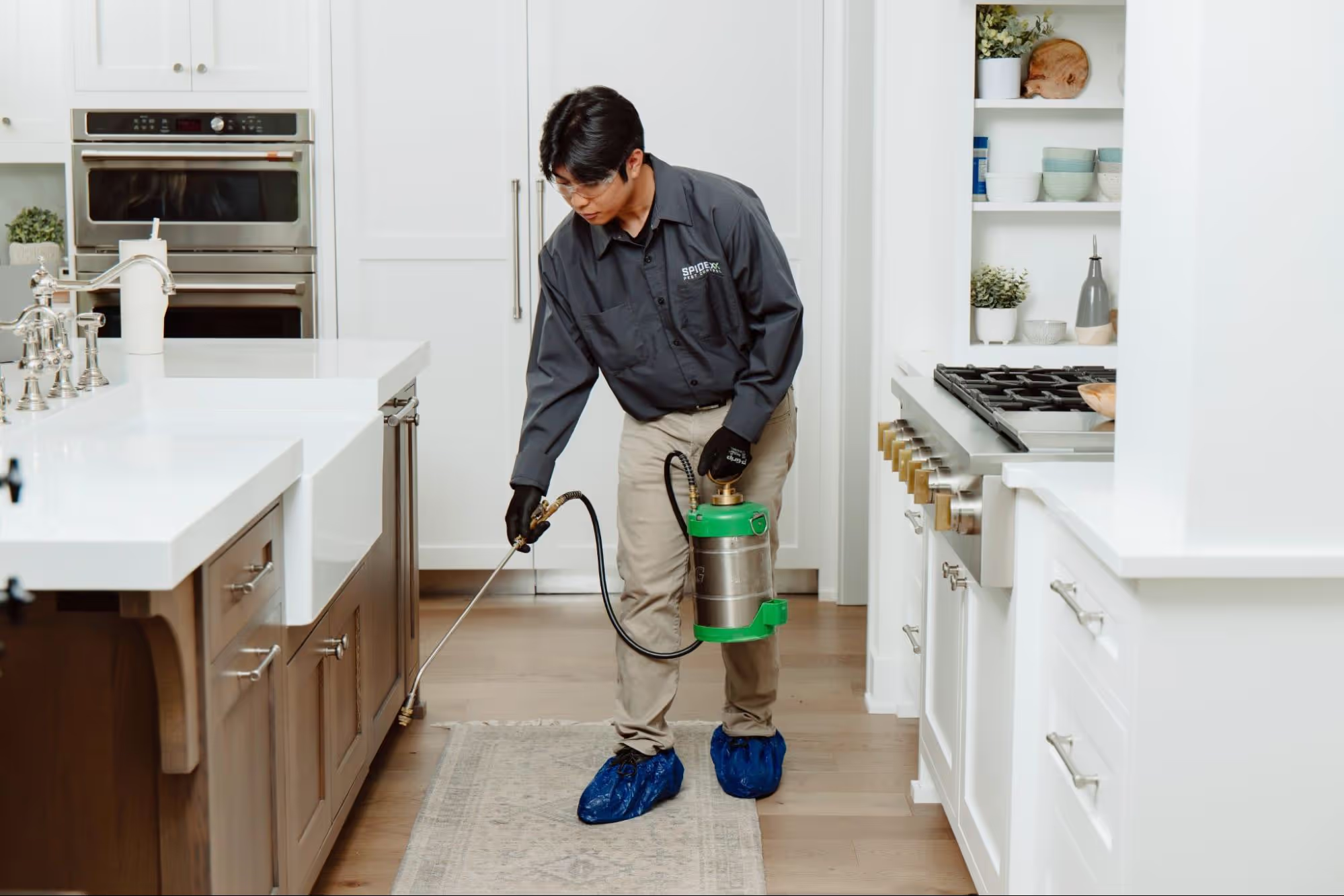
In some cases, repairs may be needed to address structural issues. A pest control technician can help identify potential entry points and recommend appropriate steps, which may include sealing gaps or applying targeted treatments in areas where pests are active.
Common Entry Points to Watch For
Foundation
Cracks or gaps in your foundation can allow pests like ants, spiders, and rodents to enter your home. Inspecting and sealing these areas can help reduce potential entry points. In some cases, a contractor may be needed to repair more significant damage.
Exterior Walls
Pests may enter through small openings in exterior walls and settle in wall voids. Increased indoor pest activity—especially during colder months—can sometimes indicate nesting within these spaces.
Targeted treatment and sealing may help address these issues.
Siding
Siding can provide hiding spots for insects, especially if there are gaps or moisture buildup. Sealing openings between siding and trim may help reduce pest activity.
Doors and Windows
Even small gaps around doors and windows can allow pests inside. Installing door sweeps, adjusting seals, and checking for visible light around frames can help minimize entry points.
Crawl Spaces
Crawl spaces can provide access to wall and floor voids. If there is damage or openings in these areas, pests may use them to enter the home. Repairs may be necessary in some cases.
Chimney
Chimneys can be an entry point for birds, rodents, and insects. Installing a chimney cap can help limit access and reduce the likelihood of pests entering through this area.
Exhaust Fans
Attic and bathroom exhaust fans can allow pests to enter if not properly screened or maintained. Regular inspection can help identify signs of activity or damage.
Exterior Plumbing
Gaps around plumbing lines can provide easy access for pests. Sealing these openings can help reduce the chances of insects or rodents entering.
Vents
Dryer vents and other exterior vents are common entry points. Checking for signs of nesting or damage and ensuring proper covers are in place can help limit access.
Help Protect Your Home from Pests
Addressing these key areas can help reduce the likelihood of pests entering your home. Pairing preventative steps with a routine pest control service may provide additional support in managing pest activity throughout the year.
If you’re experiencing pest issues or would like an inspection, Spidexx is here to help.
📞 Call (844) 922-7732 to learn more about your options or schedule a service.

%20(13).avif)
.avif)
%20(3).avif)